I.Base Origin Information:
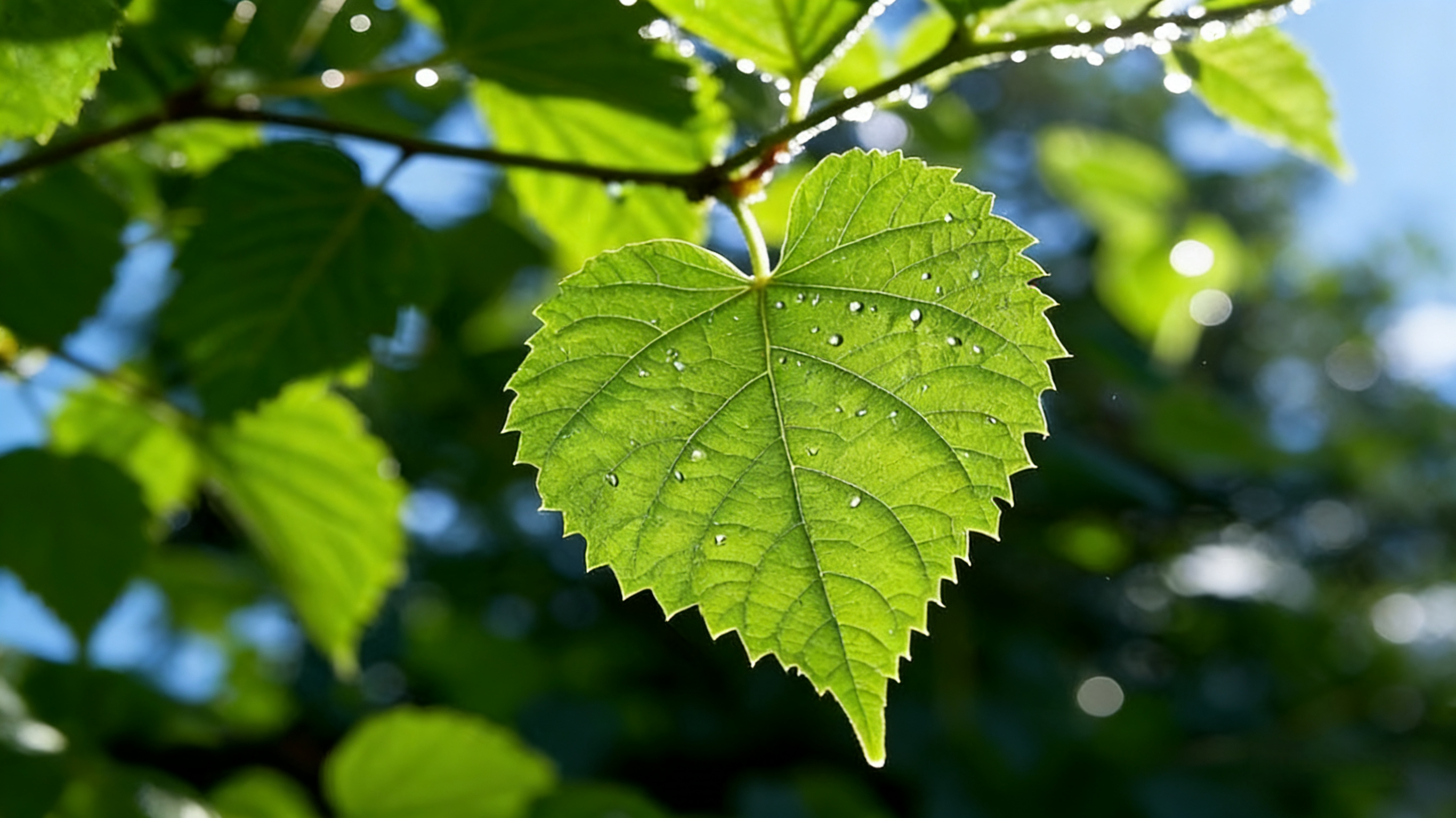
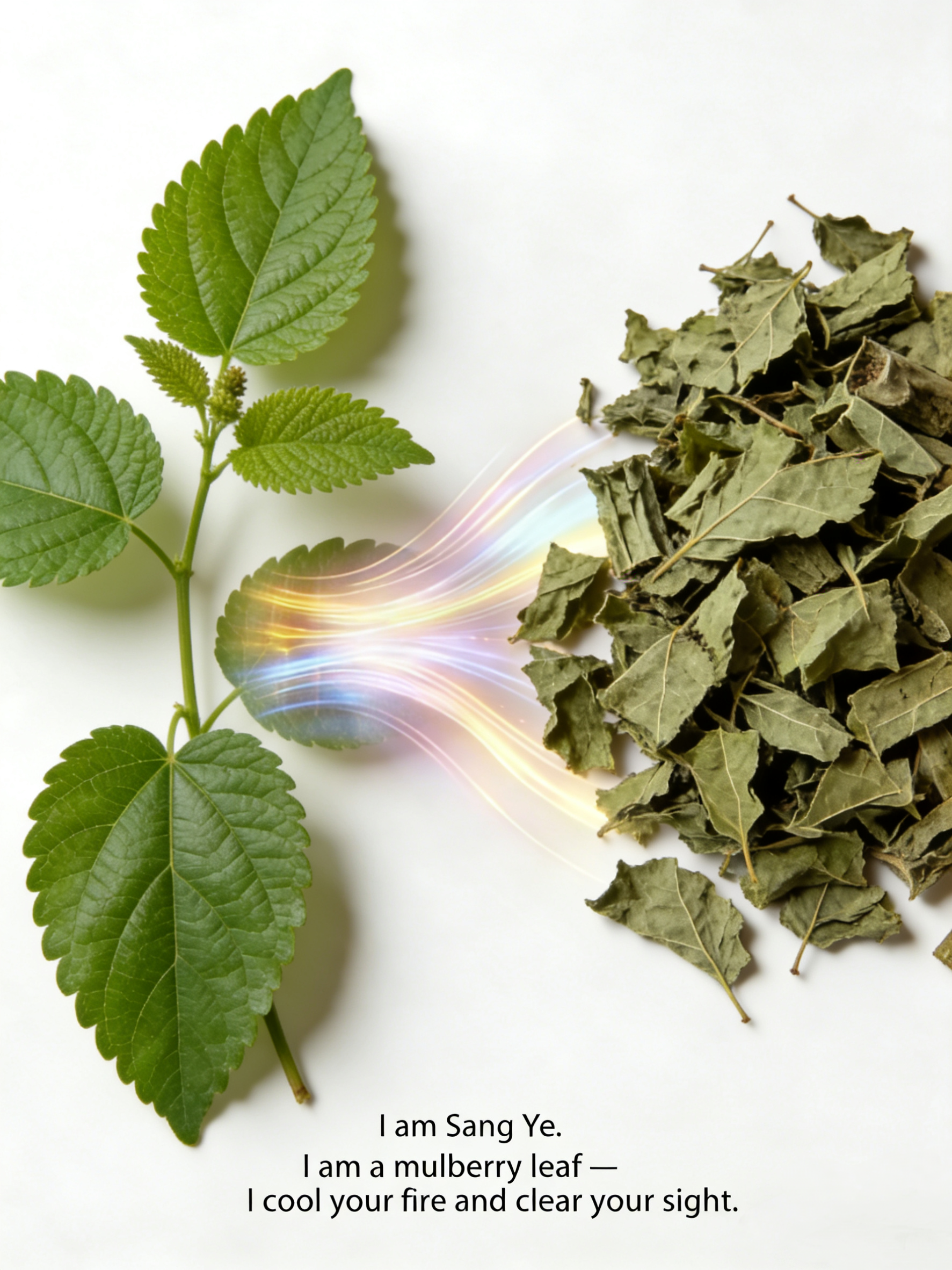
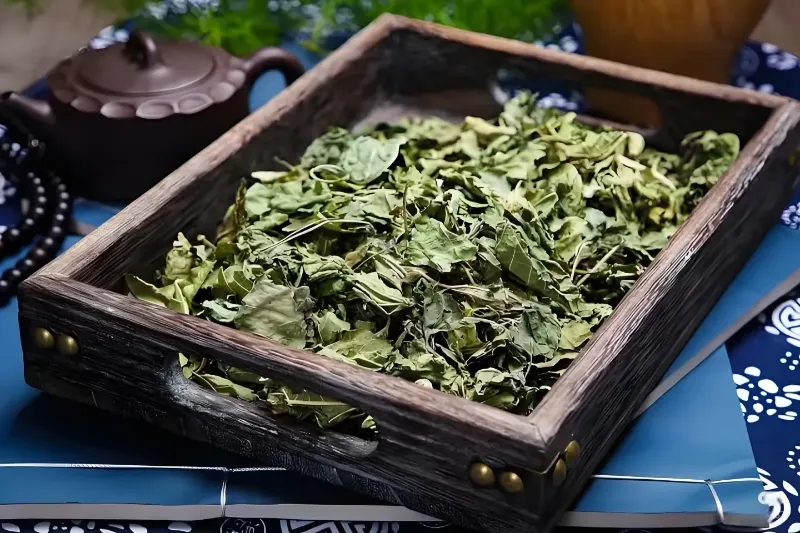
Mulberry Leaf, with the pharmaceutical Latin name MORI FOLIUM, is the dried leaf of Morus alba L., a plant belonging to the Moraceae family. This seemingly ordinary tree leaf holds an esteemed position in the system of traditional Chinese medicine and is hailed as the "immortal leaf" in the Compendium of Materia Medica (Bencao Gangmu). It has been documented since the Shennong's Classic of Materia Medica. In its name, "Sang" (桑) is homophonous with "Sang" (丧), meaning mourning, but the ancients used this sound to imply "regeneration," symbolizing its effects of dispelling disease and prolonging life. Mulberry Leaf is bitter and sweet in taste, cold in nature, and acts on the lung and liver meridians. It possesses the effects of dispersing wind-heat, clearing the lung and moistening dryness, and calming the liver to brighten the eyes. It is particularly adept at clearing and penetrating heat pathogens from the lungs and liver, making it an essential herb for treating wind-heat common cold, lung-heat dry cough, and red, swollen, painful eyes. It is famously known as the "iron fan."Learn more about popular science knowledge of traditional Chinese medicinal materials.
II. Authentic Production Area:
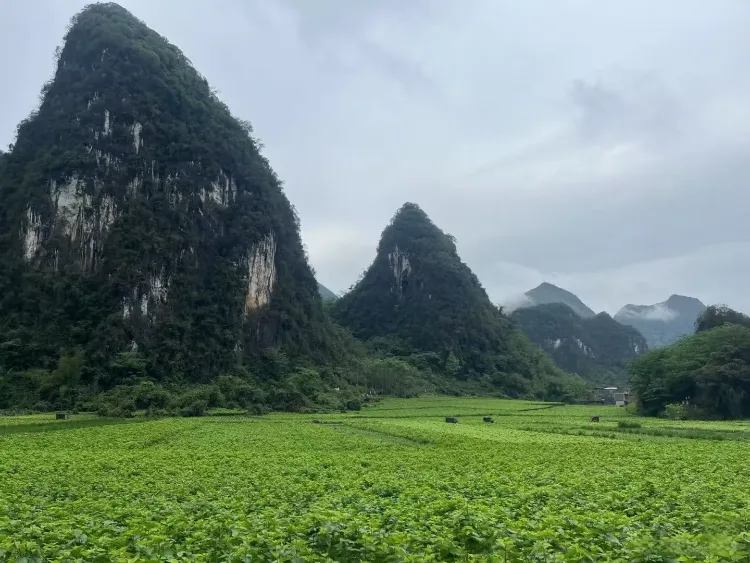
The mulberry tree is extremely widely distributed in China and is cultivated throughout the country. Among the various regions, the quality of Mulberry Leaf from Jiangsu, Zhejiang, Anhui, and Shaanxi is considered relatively superior. Scientific research on four main cultivated mulberry varieties in Shaanxi (Shaansang 305, Husang 197, 707, and Small-leaf Mulberry) found that Small-leaf Mulberry exhibited the best performance in the content of core active components such as total phenols, total flavonoids, chlorogenic acid, rutin, and isoquercitrin. It has been screened as a high-quality mulberry germplasm resource for both medicinal and edible use. The climatic conditions of these regions, combined with scientific cultivation management, collectively shape the excellent medicinal properties of Mulberry Leaf.High-quality mulberry leaves transform into herbal bath bags, accompanying you through the four seasons.
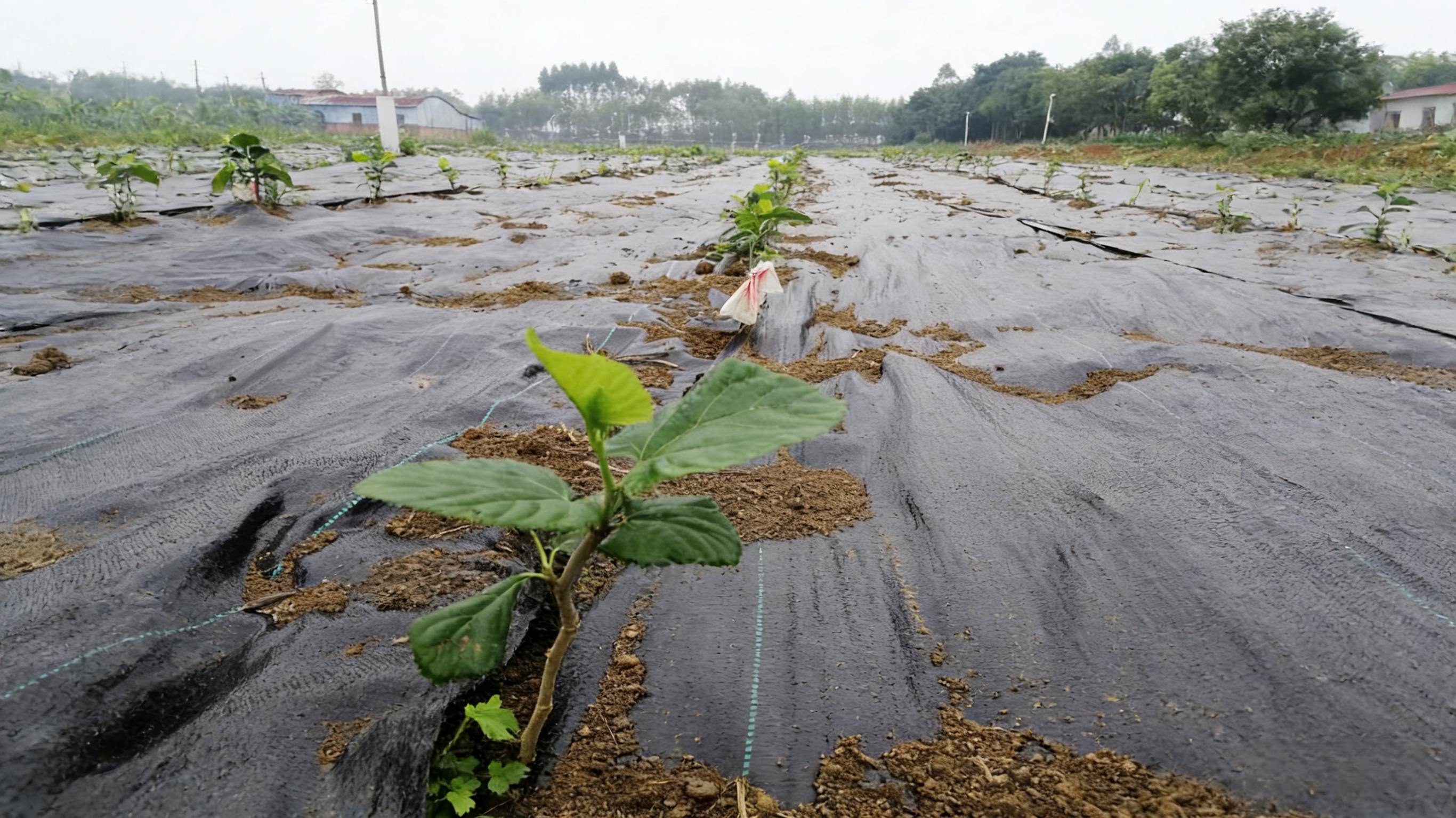
Scientific Adaptation to Geography and Climate: The mulberry tree thrives in warm, humid climates. Germination begins when temperatures rise above 12°C, and the optimal temperature for growth is 25-30° It is drought-tolerant but intolerant of waterlogging, and exhibits strong adaptability to soil conditions. The genuine production areas are mostly located in subtropical monsoon climate zones, featuring ample sunlight, moderate rainfall, and loose, fertile soil, which facilitates the synthesis and accumulation of active components such as flavonoids and alkaloids in the leaves.
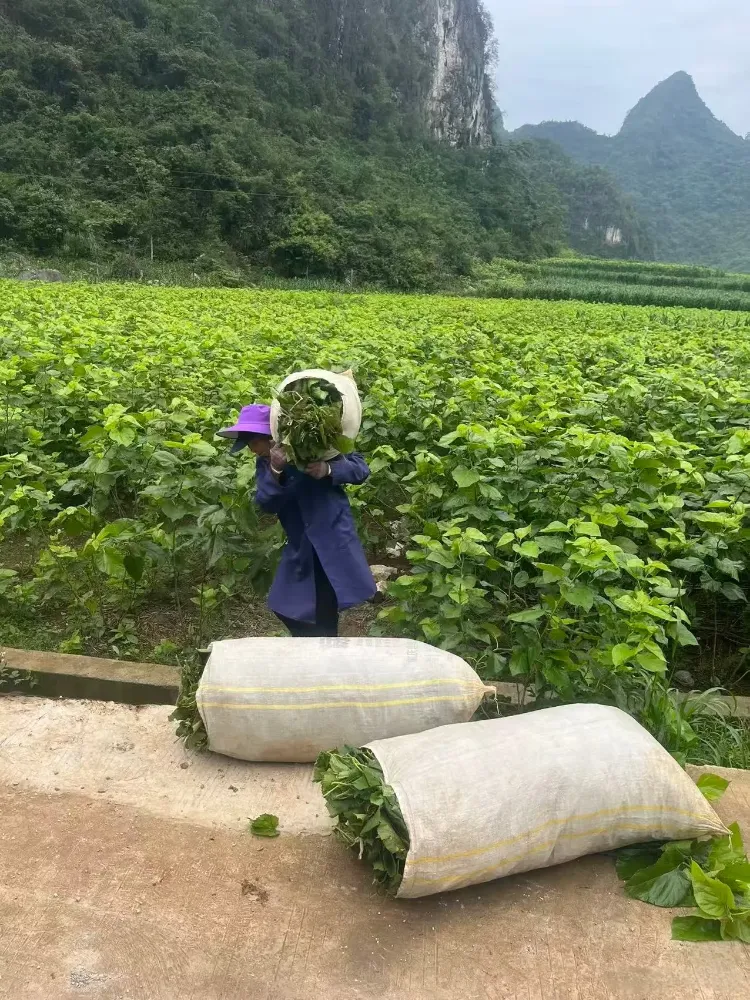
The Science of Harvesting "Frosted Mulberry Leaf": Successive generations of herbal classics have emphasized that "Frosted Mulberry Leaf" (Winter Mulberry Leaf) is of the highest quality. Modern research, using High-Performance Liquid Chromatography to analyze the quality of Mulberry Leaf harvested at different times, has confirmed the scientific basis of this traditional experience: Starting in October, the peak areas of chlorogenic acid and four quercetin glycosides in Mulberry Leaf begin to increase, reaching their maximum values in November or December, after which they rapidly decline. Therefore, Mulberry Leaf harvested after the first frost better ensures medicinal quality. At this time, after being subjected to frost, the leaf's dryness has been tempered, its medicinal potency is mellow and harmonious, and its clearing and moistening power is superior.
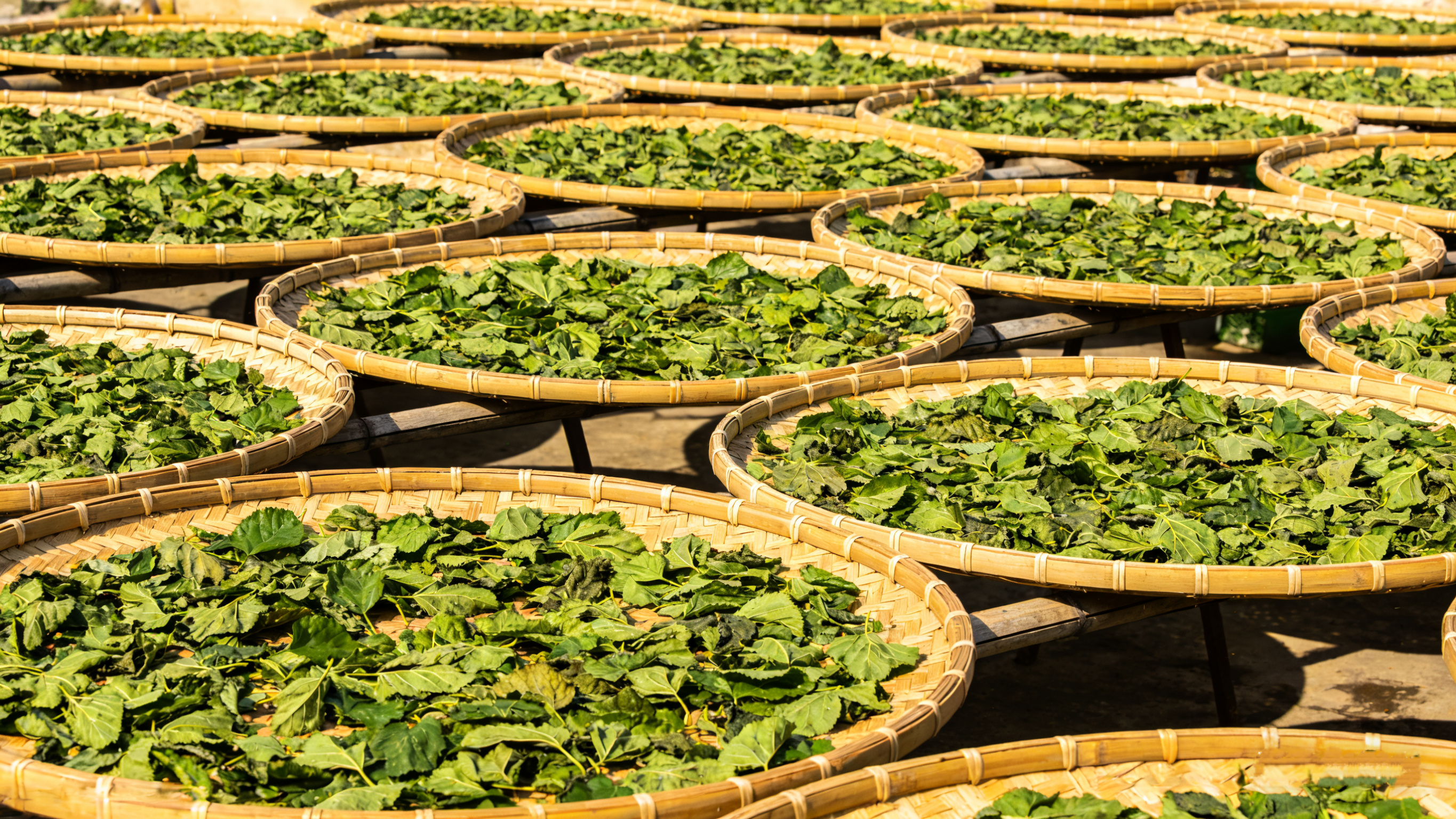
Meticulous Management in Ecological Cultivation:
1.Variety Selection: The content of active components varies significantly among different mulberry leaf varieties. Studies have shown that Small-leaf Mulberry has the highest content of essential amino acids, total phenols, total flavonoids, chlorogenic acid, rutin, and isoquercitrin. After comprehensive evaluation, it can be developed and utilized as a high-quality mulberry germplasm resource for both medicinal and edible purposes.
2.Scientific Pruning: Through pruning, bud thinning, and topping, a tree shape that allows for good ventilation and light penetration is cultivated. This not only benefits leaf growth but also reduces the occurrence of pests and diseases.
3.Green Prevention and Control: Targeting diseases such as mulberry bacterial blight and mulberry brown spot, as well as pests like mulberry pyralid and mulberry borer, an integrated approach combining agricultural control, physical control, and biological control is comprehensively applied. The use of chemical pesticides is strictly controlled to ensure the safety of the medicinal material.

"Property-Preserving" Techniques in Harvesting and Processing: After Frost's Descent in October-November, the leaves that have undergone frost are harvested. Fine branches and impurities are removed, and the leaves are sun-dried. Modern processing mostly employs low-temperature (≤50°C) circulating air drying technology, achieving uniform dehydration in a closed environment, resulting in leaves with a yellowish-green color and a high retention rate of active components. A honey-fried processing method is also used to enhance its lung-moistening and cough-suppressing effects.
III. Quality
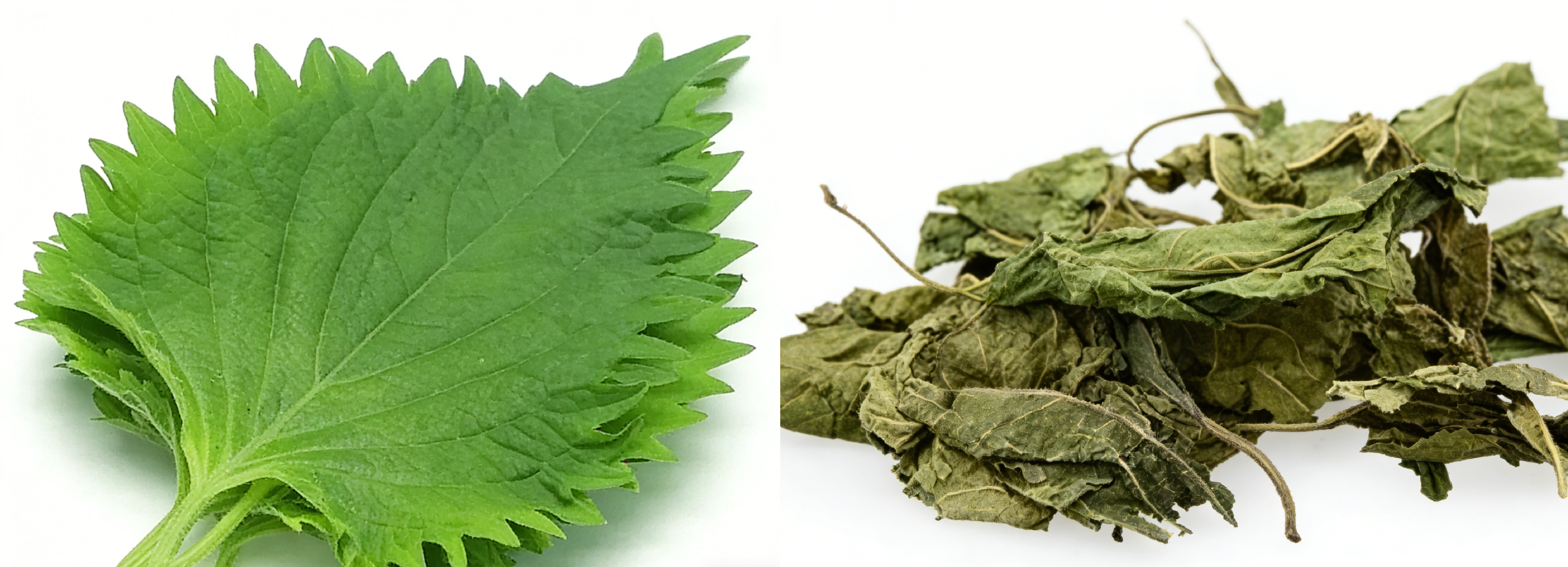
High-quality Mulberry Leaf: The leaves are mostly wrinkled, crumpled, or broken. When whole leaves are flattened out, they are ovate or broadly ovate in shape, measuring 8-15 cm in length and 7-13 cm in width. The apex is acuminate, the base is truncate, rounded, or cordate, and the margins feature serrations. Leaves that are large and yellowish-green in color are considered superior. The upper surface is yellowish-green or light yellowish-brown, sometimes with small warty protrusions; the lower surface is slightly lighter in color, with prominent veins sparsely hairy along them. The texture is brittle and appropriately dry, producing a crisp sensation when squeezed in the hand. The odor is slight, and the taste is bland, slightly bitter, and astringent. After rubbing, it emits an elegant, herbaceous aroma. When soaked in hot water, the infused liquid is clear and bright, appearing light yellowish-green with a faint, refreshing fragrance. When tasted, it is slightly bitter initially, followed by a subtle sweetness.Only high-quality mulberry leaves can be selected as raw materials for our herbal bath bags.
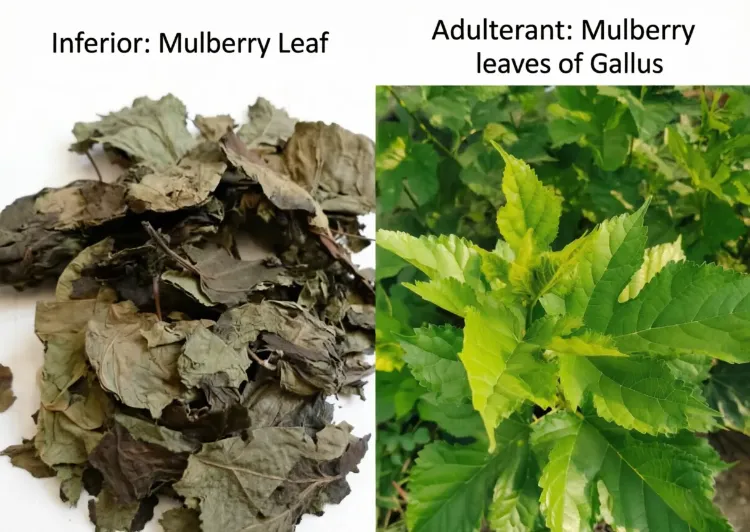
Ordinary / Inferior Mulberry Leaf: The leaves are small and thin, with a dull or excessively dark color (brownish-black), severely broken, or mixed with a large number of leaf stalks, twigs, and other impurities. The color is dark and lusterless, or unnaturally bright green (suspected dyeing). The texture is damp and sticky to the touch, or dry and brittle, easily crumbling into powder. The aroma is weak or faint, possibly with musty, sour (sulfur fumigation), or smoky odors. Rubbing produces no aroma. When soaked, the infused liquid is turbid or develops an abnormal color (too dark), with an unpleasant odor. When tasted, it is bland or excessively bitter and astringent.
IV.Main Chemical Components
1.Flavonoids: These include rutin, quercetin, isoquercitrin, and moracetin (quercetin-3-triglucoside). Flavonoids constitute the core material basis for the antioxidant, anti-inflammatory, free radical scavenging, and vasodilating effects of Mulberry Leaf. They are closely related to its efficacies of "clearing the liver and brightening the eyes" and "beautifying the skin and resisting aging." Studies have shown that Small-leaf Mulberry has the highest content of total flavonoids, rutin, and isoquercitrin.View herbal bath soak products containing this ingredient.
2.Alkaloids: Represented by 1-deoxynojirimycin (DNJ), these are the main components responsible for the blood sugar-lowering effect of Mulberry Leaf and its inhibition of α-glucosidase activity. This is related to its efficacy of "clearing the lung and moistening dryness" (modern research has confirmed its hypoglycemic effect). The DNJ content varies significantly among different mulberry leaf varieties.Which herbal bath soak products containing this ingredient?
3.Phenolic Acids: These include chlorogenic acid, caffeic acid, and gallic acid. Chlorogenic acid is an important active phenolic acid in Mulberry Leaf, possessing various biological activities such as antioxidant, anti-inflammatory, hepatoprotective, and hypoglycemic effects. The chlorogenic acid content in Frosted Mulberry Leaf reaches its peak during November-December.
4.Steroids and Triterpenoids: These include ecdysterone, inokosterone, stigmasterol, and β-sitosterol. Ecdysterone promotes the conversion of glucose into glycogen, lowers blood lipid levels, and promotes protein synthesis.How do we utilize these ingredients in our herbal bath soak?
Click here to see our adaptogen bath soak with Mulberry Leaf.
V. Core Efficacy
Mulberry Leaf is cold in nature, sweet and bitter in taste, and acts on the lung and liver meridians. Its core efficacies are "dispersing wind-heat, clearing the lung and moistening dryness, pacifying the liver and subduing yang, and clearing the liver to brighten the eyes." Its body is light and its qi is clear, adept at penetrating and expelling pathogenic heat from the exterior and muscles, clearing and moistening the dryness of the lungs and their fluids, and calming and subduing the hyperactive yang of the liver meridian. When used externally in the form of a "medicated bath bag," its clear and penetrating nature can leverage the warmth of the water, utilizing the dual pathways of skin absorption and steam inhalation, to exert its unique effects of "guiding heat outward and moistening the skin and brightening the eyes":
Beautifying the Skin and Moistening Dryness, Reducing Melanin Production:
Mulberry Leaf contains components that inhibit tyrosinase activity, thereby reducing melanin production and exerting a cosmetic effect. It has a good moisturizing and improving effect on dry, rough, and dull skin. The flavonoid and phenolic acid active components in Mulberry Leaf are fully released in hot water and, through transdermal absorption, gently inhibit tyrosinase activity and reduce melanin deposition. Washing the face or bathing with water boiled with Mulberry Leaf can make the skin delicate and smooth. Modern research has confirmed that Mulberry Leaf extract has antioxidant and anti-aging effects, scavenging free radicals and protecting skin collagen.
Anti-inflammatory and Swelling-Reducing, Improving Skin Itching:
Mulberry Leaf possesses anti-inflammatory and swelling-reducing effects, exhibiting inhibitory effects on Gram-positive bacteria, Gram-negative bacteria, and yeast. In vitro tests with fresh Mulberry Leaf decoction have shown inhibitory effects on various pathogenic bacteria, including Staphylococcus aureus and β-hemolytic streptococcus. When used in a medicated bath, its antibacterial and anti-inflammatory active components gently cleanse the skin and inhibit harmful surface microorganisms, offering good auxiliary therapeutic effects for eczema, prickly heat, and skin itching. Regular bathing with Mulberry Leaf in summer can help prevent and treat skin diseases.
Clearing the Liver and Brightening the Eyes, Alleviating Red, Swollen, Painful Eyes:
Mulberry Leaf can disperse wind-heat, clear and drain liver heat, and sweetly moisten and benefit yin to brighten the eyes. It is commonly used to treat red eyes, dry and painful eyes, and excessive tearing caused by wind-heat attacking upward or liver fire flaring upward. During a medicated bath, the liver-clearing and eye-brightening components of Mulberry Leaf, absorbed through steam inhalation and transdermal absorption, assist in clearing and resolving heat pathogens from the head and eyes, alleviating red, swollen, painful eyes and blurred vision. There is also a traditional folk practice of washing the eyes with water boiled with Mulberry Leaf.
Deodorizing and Relieving Itching, Refreshing Feet:
Soaking the feet in a Mulberry Leaf bath can eliminate odor. Its antibacterial active components inhibit microorganisms on the foot surface, reducing odor production. Simultaneously, it offers auxiliary relief for foot skin itching and mild fungal infections. Usage: Boil 250g of Mulberry Leaf (either fresh or dried) in 2000ml of water, and soak the feet in this solution for 20 minutes.
Calming the Mind and Aiding Sleep, Alleviating Dizziness and Headache:
Argy Wormwood Leaf clears heat and cools the blood. When made into a pillow, it can help improve insomnia and excessive dreaming caused by blood heat, as well as alleviate restlessness, dizziness, and headache due to mental stress. Dry 2000–2500 grams of Argy Wormwood Leaf and place it in a cloth bag to form a pillow core. Continuous use for three months is recommended. Its fresh aroma helps eliminate odors and reduce sweat secretion. Through prolonged inhalation of the volatile components of Argy Wormwood Leaf, it effectively clears the heart, relieves irritability, calms the liver, and soothes the mind.
FAQS:
1.What is Bath Adaptogen and the difference with other common bath soak ?
2.What are the important points and precautions while using an adaptogen bath soak?