I.Base Ursprungsinformationen:
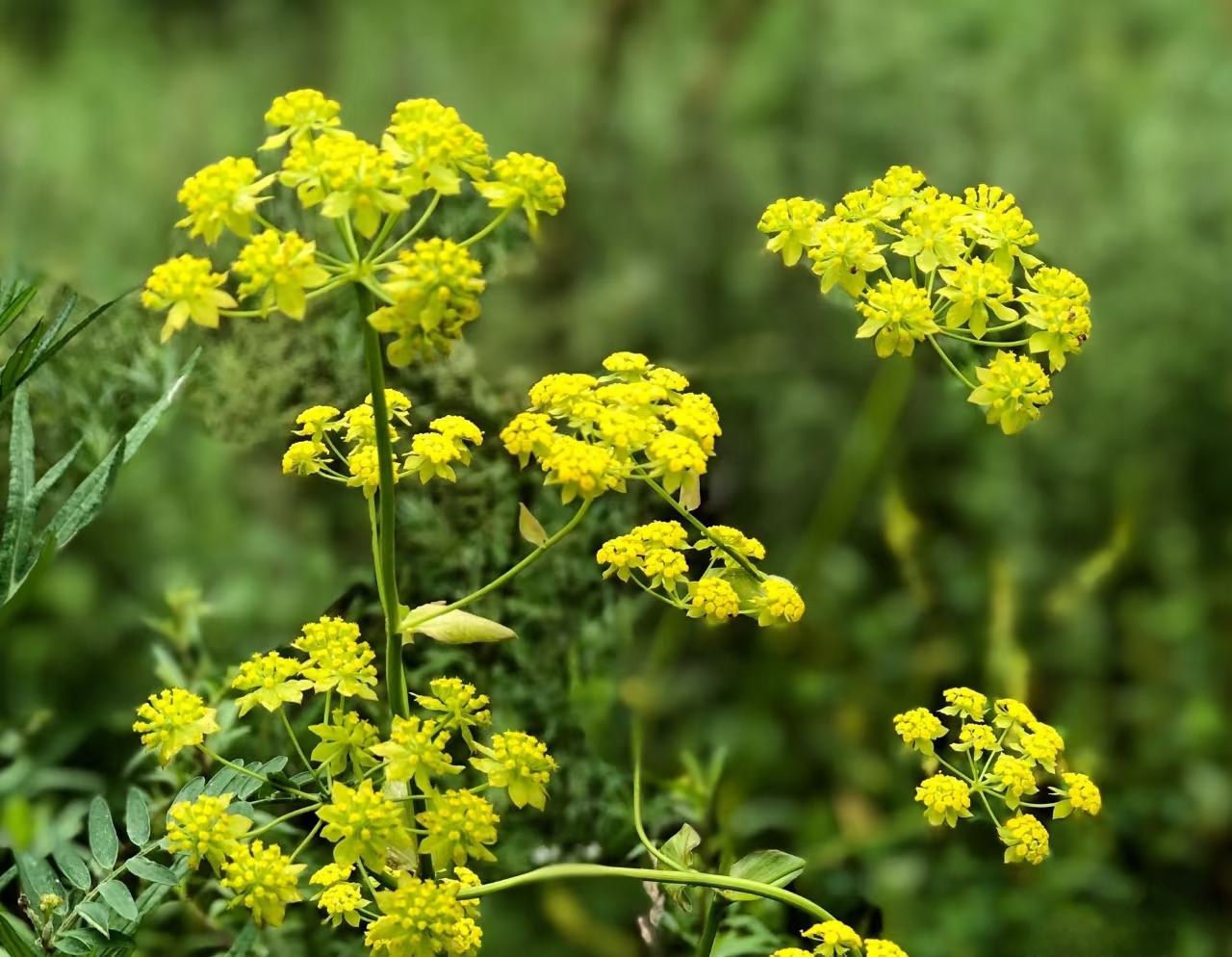
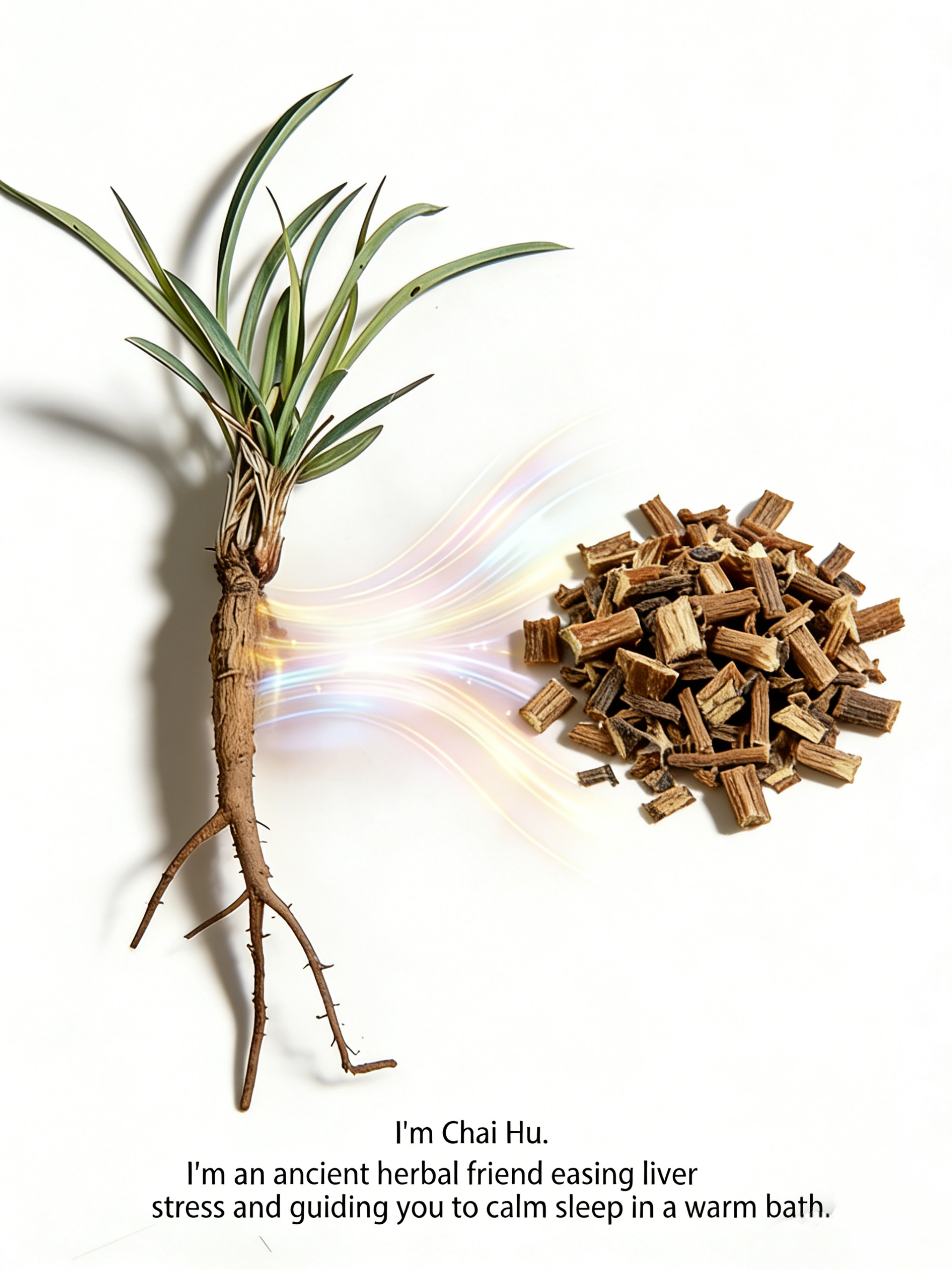
Chinesische Thorowax-Wurzel, mit dem lateinischen Namen BUPLEURI RADIX, ist die getrocknete Wurzel der Apiaceae-Pflanzen Bupleurum chinense DC. oder Bupleurum scorzonerifolium Willd. Basierend auf den Unterschieden in den Eigenschaften ist erstere allgemein bekannt als "Bei Chai Hu" (nördliche chinesische Thorowax-Wurzel) und letztere als "Nan Chai Hu" (südliche chinesische Thorowax-Wurzel). Diese scheinbar gewöhnliche Wurzel einer Apiaceae-Pflanze ist in der Tat ein entscheidendes Kraut in der traditionellen chinesischen Medizin, bekannt dafür, "den kleinen Yang zu harmonisieren, die Leber zu beruhigen und Depressionen zu lindern sowie das Yang-Qi anzuheben und zu fördern." Sie wurde seit dem Shennongs Klassiker der Materia Medica als hochwertiges Kraut aufgeführt. Ihr chinesischer Name "Chai Hu" trägt eine spezifische Bedeutung: "Chai" (Brennholz) bezieht sich auf ihre verholzten, brennholzähnlichen älteren Wurzeln, und "Hu" (Barbar) impliziert ihre nach außen gerichtete und dispersive Natur. Chinesische Thorowax-Wurzel ist geschickt darin, das Gleichgewicht zwischen dem Äußeren und Inneren zu regulieren, was sie zu einem Kernkraut zur Behandlung von externen Fiebern, Leber-Qi-Stagnation und dem Sinken des mittleren Qi macht. Es hilft auch, Schlaflosigkeit und Angst zu verbessern und Stress zu lindern.Erfahren Sie mehr über Kräuter, die gut für den Schlaf sind und helfen, Stress abzubauen.
II.Authentisches Produktionsgebiet:
China verfügt über reichhaltige Ressourcen des chinesischen Thorowaxwurzel, wobei die echten Produktionsregionen klar zwischen Nord- und Südchina unterteilt sind: Die Provinzen Hebei, Shanxi, Shaanxi und Gansu produzieren "Bei Chai Hu" (nordchinesische Thorowaxwurzel), wobei die höchste Qualität aus dem Landkreis Yixian in Hebei und Yuncheng in Shanxi stammt; die Provinzen Jiangsu, Anhui und Hubei produzieren "Nan Chai Hu" (südchinesische Thorowaxwurzel), wobei die beste Qualität in Nanjing, Jiangsu, und Bozhou, Anhui, zu finden ist. In verschiedenen Regionen wurden wissenschaftliche Anbausysteme entwickelt, die auf den Eigenschaften der verschiedenen Sorten basieren.Entdecken Sie unser chinesisches Thorowax-Wurzel-Kräuterbad zur Förderung des Schlafs.
Präzise regionale Anpassung an Geographie und Klima:
1. Nordchinesische Thorowax-Wurzel-Produktionsregionen: Primär gelegen im Lössplateau und in hügeligen Berggebieten in Höhenlagen von 800-1500 Metern, mit einer durchschnittlichen Jahrestemperatur von 8-12°C und einer jährlichen Niederschlagsmenge von 400-600 mm. Das Klima, das durch große Temperaturunterschiede zwischen Tag und Nacht, reichlich Sonnenlicht und trockene, kühle Bedingungen gekennzeichnet ist, prägt die Eigenschaften der nordchinesischen Thorowax-Wurzel: dicke und lange Wurzeln, eine zähe Textur und ein starker Duft, mit reichlicher Ansammlung von saponinhaltigen aktiven Komponenten.
2.Produzierende Regionen für den südchinesischen Thorowax-Wurzel: Hauptsächlich in den Ebenen oder niedrigen Bergen und Hügeln des Yangtze-Flussbeckens gelegen, mit einer durchschnittlichen Jahrestemperatur von 14-17°C und einer jährlichen Niederschlagsmenge von 900-1200 mm. Die warme und feuchte Umgebung fördert die Bildung der Eigenschaften der südchinesischen Thorowax-Wurzel: relativ dünne und kurze Wurzeln, eine geschmeidigere Textur und eine ölige Natur.
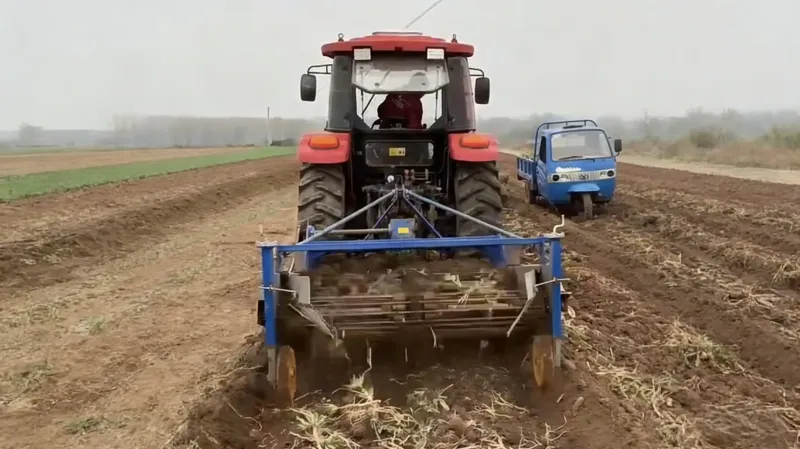
Wissenschaftlicher ökologischer Berganbau:
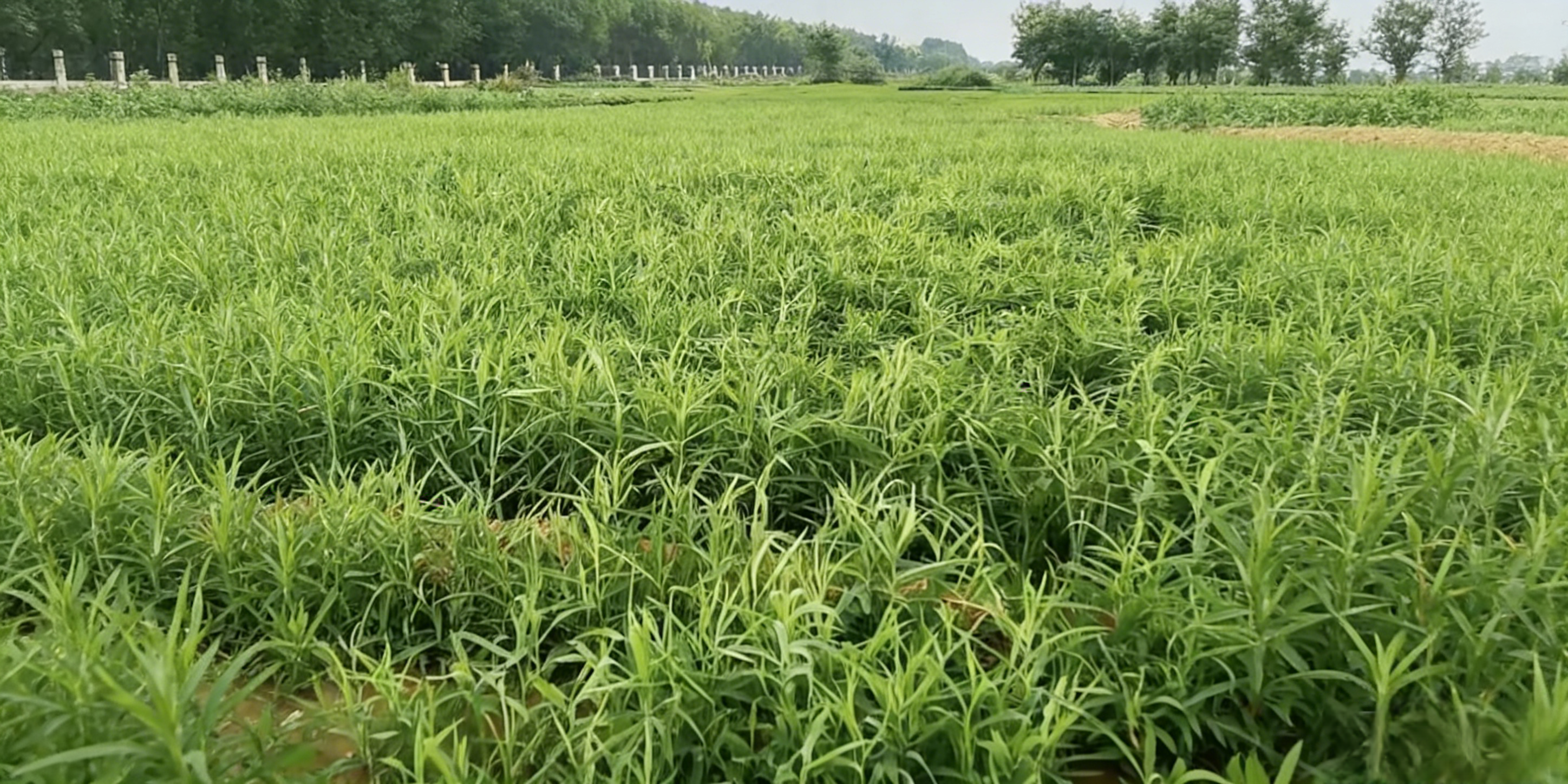
1. Sorgfältige Standortauswahl und Bodenbewirtschaftung: Wählen Sie tiefen, gut durchlässigen Sandboden oder Humusboden. Tiefes Pflügen (über 30 cm) vor der Aussaat und Anwendung von kompostiertem organischen Dünger. Implementieren Sie ein "Fruchtfolgesystem von mehr als drei Jahren" und vermeiden Sie Dauerkulturen.
2. Schlüsselwachstumsphasenmanagement: Achten Sie in der Sämlingsphase auf die Feuchtigkeitserhaltung und das Unkrautjäten. Vor der Blütezeit sollten Sie umgehend "Abknipsen und Entfernen der Blütenknospen" durchführen, um die Nährstoffe in den Wurzeln zu konzentrieren. Diese Maßnahme kann den Wurzertrag um mehr als 20 % steigern und den Saponingehalt erheblich erhöhen. Führen Sie "Bodenuntersuchungen und gezielte Düngung" durch, indem Sie nach der Blütezeit zusätzliche Phosphor- und Kaliumdünger anwenden, um das Wurzelwachstum und die Ansammlung aktiver Komponenten zu fördern.
3. Grüne Prävention und Kontrolle von Schädlingen und Krankheiten: Umfassende Nutzung der landwirtschaftlichen Kontrolle (vernünftige dichte Bepflanzung, Feldreinigung), physikalischen Kontrolle (gelbe Klebefallen) und biologischen Kontrolle. Strenge Kontrolle des Einsatzes von Pestiziden, um die Sicherheit des Arzneimittels zu gewährleisten.
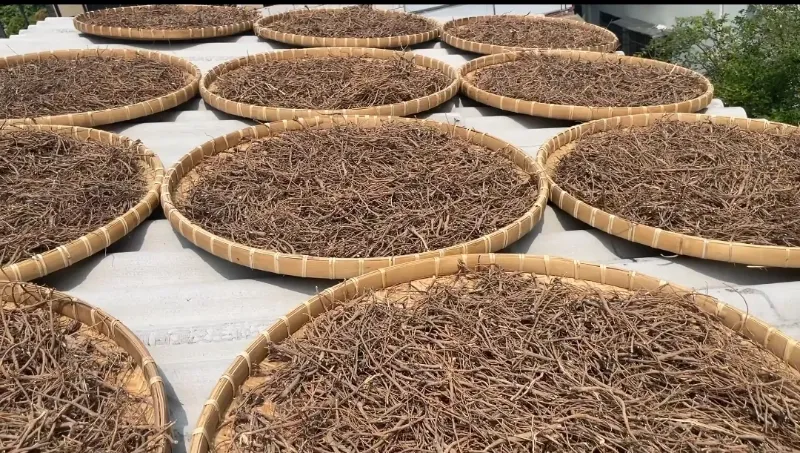
"Form- und Eigenschaftserhaltende" Technologie bei Ernte und Verarbeitung: Die Ernte erfolgt 2-3 Jahre nach der Pflanzung, im Herbst, wenn die oberirdischen Teile welken. Zu diesem Zeitpunkt erreichen sowohl das Wurzelgewicht als auch der Gehalt an aktiven Komponenten ihren Höhepunkt. Nach der Ernte werden Stängel, Blätter und Erde entfernt und an der Sonne getrocknet oder bei niedriger Temperatur (≤50°C) getrocknet. Traditionell wird bei der nördlichen chinesischen Thorowax-Wurzel Wert darauf gelegt, "faserige Wurzeln nicht zu entfernen", da ihr Saponingehalt ebenfalls hoch ist; die südliche chinesische Thorowax-Wurzel muss frisch gestreckt werden, um ein Biegen zu verhindern. Die moderne Verarbeitung verwendet "Niedertemperatur-Luftstromtrocknung", die die charakteristischen Merkmale der chinesischen Thorowax-Wurzel besser bewahrt, wie den spezifischen "Wurmkopf" (Reste der Stängelbasen am Wurzelkranz) und die "Perlenplatte" (warzenartige hervortretende Wurzelnarben) und verhindert den Verlust flüchtiger Komponenten.
III. Qualität
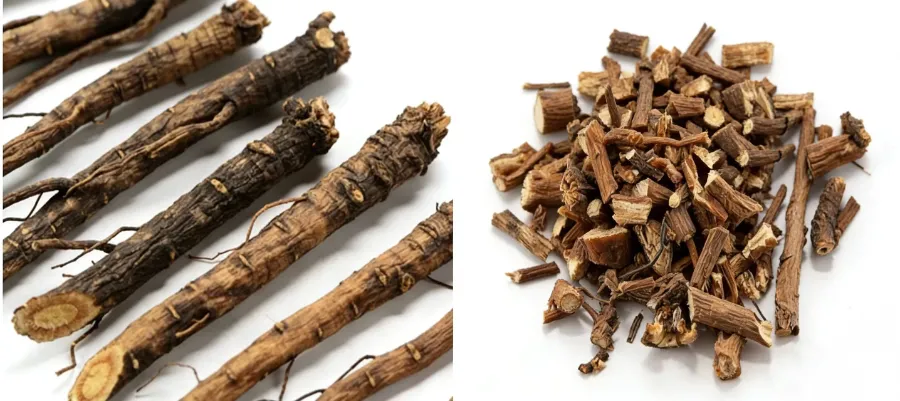
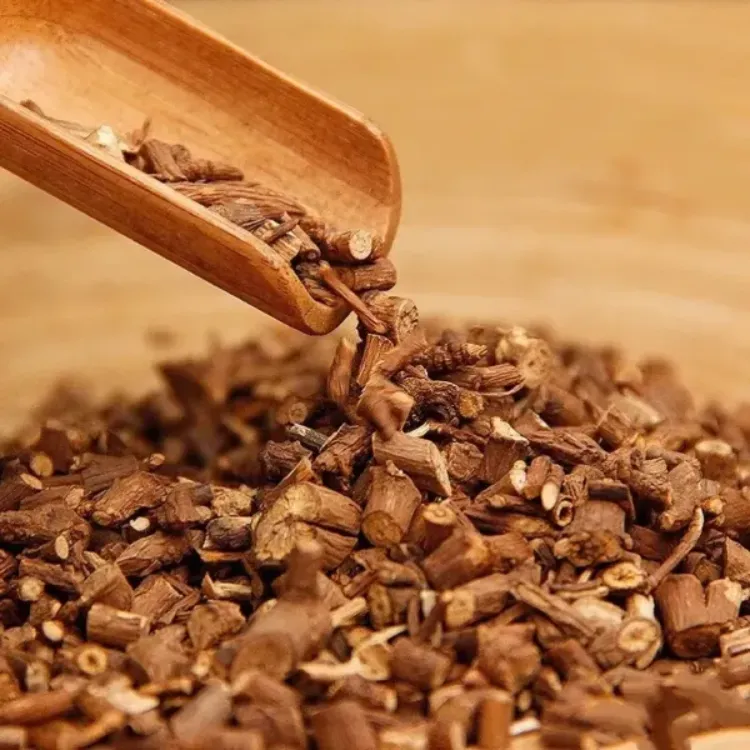
Hochwertige chinesische Thorowax-Wurzel: Die Wurzel hat eine lange konische oder zylindrische Form mit einer vergrößerten Wurzelkrone. Die Spitze behält 3-15 Stängelbasen oder kurze faserige Blattbasen (der charakteristische "Wurmkopf"). Die Oberfläche ist schwarzbraun oder hellbraun. Die Textur ist hart und zäh, nicht leicht zu brechen. Die gebrochene Oberfläche erscheint schuppig und faserig, mit einer hellbraunen Rinde (Kortex) und einem gelblich-weißen Holz (Xylem); der Kambiumring ist deutlich sichtbar. Sie hat einen leichten Duft und einen leicht bitteren, scharfen Geschmack.Erleben Sie dieses hochwertige Kraut in unserem Kräuterbad.
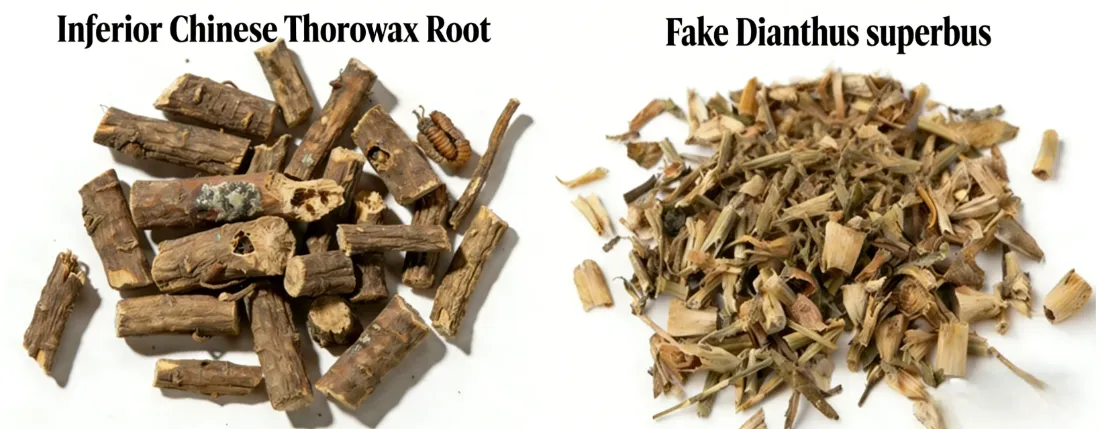
Ordinary/Inferior Chinese Thorowax Root: Die Wurzel ist relativ dünn, konisch geformt, und die Spitze ist oft unverzweigt oder hat wenige Verzweigungen. Die Oberfläche ist rötlich-braun oder schwärzlich-braun, manchmal erscheint sie grauweiß (möglicherweise durch übermäßige Schwefelrauchbehandlung). Die Textur ist etwas weich und leicht zerbrechlich. Die gebrochene Oberfläche ist flach, nicht faserig, und hat einen ranzigen Geruch (ähnlich wie altes Öl). Der Geschmack ist leicht bitter und scharf.
IV. Hauptbestandteile der chemischen Zusammensetzung
1. Saponine (Saikosaponine): Dies sind die wichtigsten und charakteristischen aktiven Komponenten der chinesischen Thorowax-Wurzel. Sie stehen in engem Zusammenhang mit ihren entzündungshemmenden, leberschützenden, antiviralen, immunmodulatorischen und zentral sedierenden Wirkungen und bilden die grundlegende Materialbasis für ihre Wirksamkeit beim "Harmonisieren des kleinen Yang" und "Beruhigen der Leber"."
Fühlen Sie die beruhigende Kraft der Saikosaponine in unserem Stressabbau-Badesee.
2. Flüchtige Öle: Diese tragen zu seinem Aroma (im nördlichen chinesischen Thorowax-Wurzel) oder ranzigem Geruch (im südlichen chinesischen Thorowax-Wurzel) bei und besitzen unterstützende fiebersenkende, schmerzlindernde und antibakterielle Wirkungen.
3. Flavonoide und Polysaccharide: Diese sind an synergistischen Effekten wie antioxidativer Aktivität, Hepatozytenschutz und Immunmodulation beteiligt.
V.Kernwirksamkeit
Chinesische Thorowaxwurzel hat eine leicht kalte Natur und einen scharfen, bitteren Geschmack, der in die Meridiane von Leber, Gallenblase und Lunge eindringt. Ihre Hauptwirkungen sind "die Harmonisierung und Auflösung von Außen und Innen, die Beruhigung der Leber und die Auflösung von Einschränkungen sowie das Anheben und Erhöhen des Yang-Qi." Ihre medizinische Natur ist leicht, klar, aufsteigend und dispersiv, sie ist besonders gut darin, Pathogene zu durchdringen, die halb außen und halb innen sind, und die Qi-Bewegung von Leber und Gallenblase zu regulieren. Durch die äußere Anwendung in einem "Badezusatz" kann die Wärme und die fließende Wirkung des Wassers helfen, die medizinischen Eigenschaften in die Haut eindringen zu lassen, wodurch sie ihre einzigartige Funktion der "Pivotierung der Qi-Bewegung" entfalten kann.Entdecken Sie unser Bupleurum Schlafbad und erleben Sie diese alte Kräutertherapie.
Harmonisiert und reduziert Fieber, lindert Unannehmlichkeiten bei externen Infektionen:
Es ist ein essentielles Kraut zur Behandlung von wechselnden Schüttelfrost und Fieber (Shaoyang-Muster). Es ist besonders wirksam bei extern kontrahierten Fiebern, bei denen die Pathogene halb außen und halb innen verweilen. Seine leichten, klaren, aufsteigenden und dispersiven Eigenschaften werden durch heißes Wasser verstärkt. Durch transdermale Absorption und das Einatmen feiner Dämpfe hilft es, die Striae der Haut (Interstizien) zu beruhigen, das nährende und schützende Qi zu harmonisieren und die Pathogene nach außen zu leiten. Es bietet unterstützende Linderung bei Erkältungen im Frühstadium oder anhaltenden niedriggradigen Fiebern.
Beruhigt die Leber und lindert Depressionen, harmonisiert Emotionen und Qi-Dynamik:
Es hat eine ausgezeichnete regulierende Wirkung auf die Leber-Qi-Blockade, die sich als drückender Schmerz in der Brust und in den Flanken, emotionale Depression, Menstruationsunregelmäßigkeiten sowie Brustspannung und -schmerzen äußert. Die Wärme des Bades hilft, sowohl Körper als auch Geist zu entspannen. Die aktiven Komponenten, die "die Leber beruhigen", werden durch die Haut aufgenommen und befreien sanft das stagnierende Lebermeridian-Qi und -Blut. Dies lindert die Stauung und das Unbehagen in der Brust und den Flanken sowie somatische Symptome, die durch emotionale Anspannung und Stress verursacht werden.
Erhöht Yang und lindert Depressionen, verbessert Müdigkeit und das Gefühl des Prolaps:
Es wird bei Bedingungen wie chronischem Durchfall, Rektumprolaps, Uterusprolaps und viszeralem Ptosis verwendet, die durch das Sinken des zentralen Qi verursacht werden, sowie bei Schwindel und Müdigkeit aufgrund des nicht aufsteigenden Yang-Qi. Seine Fähigkeit, "Yang-Qi zu heben und zu steigern", kombiniert mit den wärmenden und aufwärts gerichteten Effekten eines heißen Bades, kann helfen, allgemeine Müdigkeit und das schwere, sinkende Gefühl, das mit Qi-Mangel und sinkender oder eingeschränkter Qi-Bewegung verbunden ist, zu verbessern. Oft folgt auf das Bad ein Gefühl von Leichtigkeit und Unbeschwertheit.
Wie liefert unser Badezusatz diese Kräutervorteile? Erfahren Sie mehr in unseren FAQs.