I. Base Origin Information
Chinese Name - Jin Yin Hua
Latin Name - Lonicerae Japonicae Flos
Origin Plant - Lonicera japonica Thunb.
Use Part - dried flower buds or newly bloomed flowers
Plant Family - Caprifoliaceae
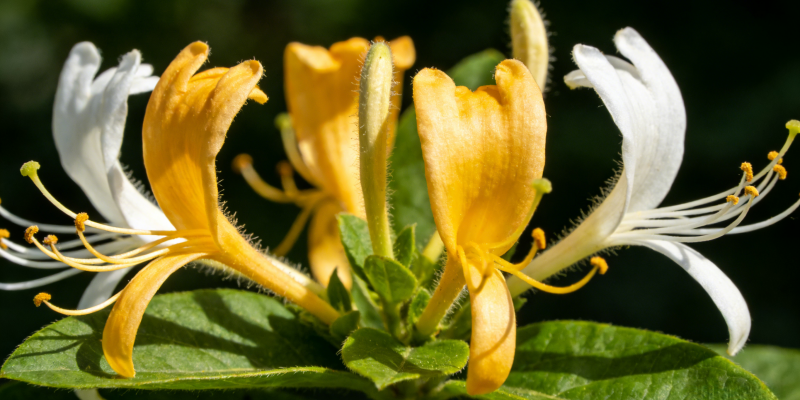
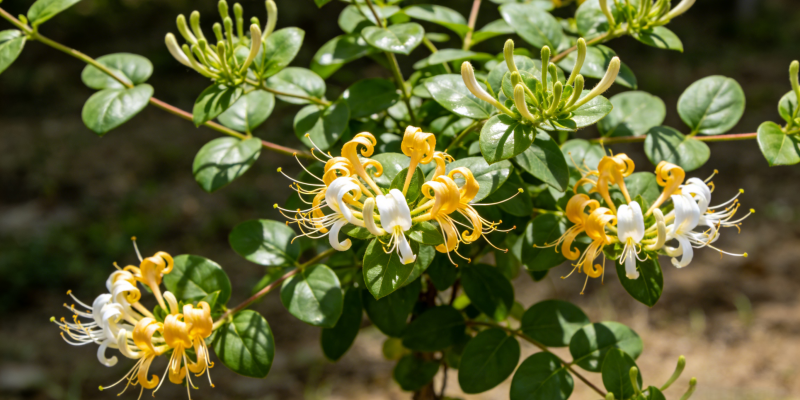
Honeysuckle, officially named Lonicera japonica, refers to the dried flower buds or newly bloomed flowers of Lonicera japonica Thunb. from the Caprifoliaceae family. Its name derives from the unique color-changing characteristic of the blossoms—they are pure white when first blooming and gradually turn golden yellow after one or two days, hence the names "gold-silver flower" or "twin flower." As a treasure of traditional Chinese medicine, it was first documented in Ming Yi Bie Lu (Records of Famous Physicians) and classified as a superior-grade medicinal herb. Its core medicinal components include chlorogenic acid, luteolin glycosides, and various organic acids, flavonoids, and volatile oils, which together form the pharmacological foundation for its outstanding antibacterial and anti-inflammatory properties.
II. Authentic Production Area
Honeysuckle's authentic producing areas are located in Henan, Shandong, and Hebei, with Henan as the core region. Most of these producing areas are situated in a warm temperate semi-humid monsoon climate zone. The unique natural conditions and scientific cultivation practices are key to producing authentic medicinal herbs,
Climate and Soil
The producing areas experience distinct seasons, ample sunlight, and significant diurnal temperature variations, which are conducive to the accumulation of medicinal components. The soil is predominantly loose, fertile, sandy loam, offering good aeration and drainage—ideal for the root development of honeysuckle.
Ecological Cultivation and Harvest Timing
Core producing areas implement "GAP (Good Agricultural Practice) standardized cultivation." The use of chemical fertilizers and pesticides is strictly controlled, with widespread adoption of biological pest control. The most critical aspect is the precise timing of the "harvest window"—buds must be picked after the morning dew has dried but before they bloom, during the "large white needle" stage. At this time, the buds are plump, greenish-white in color, and the content of active ingredients (especially chlorogenic acid) peaks. Harvesting too early results in insufficient potency, while harvesting too late, after the flowers have bloomed, leads to a significant decline in quality.
Modern Drying Techniques
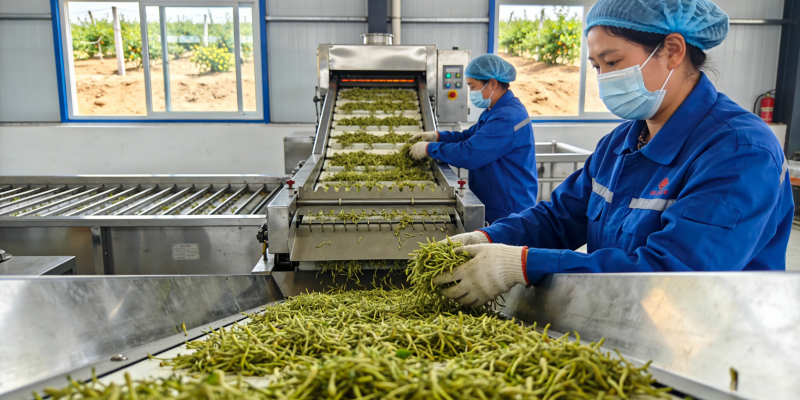
After harvesting, "low-temperature gradient circulating air drying technology" is immediately employed to evenly remove moisture in a short period. This process effectively preserves the buds' vibrant green appearance and delicate fragrance, preventing the darkening of color and degradation of active ingredients often caused by traditional sun-drying or high-temperature drying methods.
III. Quality
Premium quality
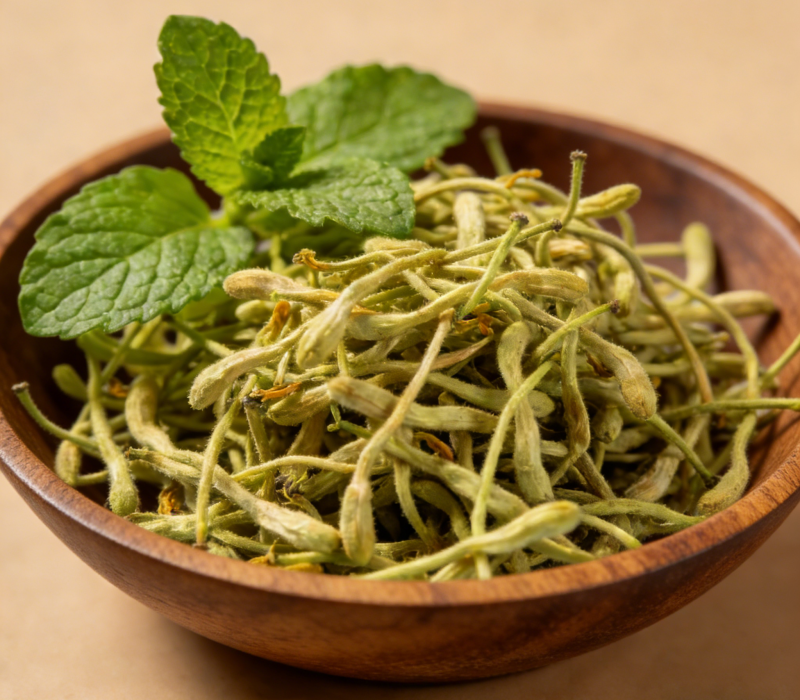
The flower buds are rod-shaped, plump, and evenly proportioned, thicker at the top and tapering toward the base. Their color is a natural bluish-white or yellowish-white (indicating high chlorogenic acid content), and the surface is densely covered with short, fine hairs. They are free from impurities such as fully opened flowers, leaves, or stems. The buds emit a fresh, natural fragrance with a subtle honey-like sweetness and no off-odors. Their texture is crisp and dry, yet delicate to the touch. When brewed, the resulting liquid is clear and bright with a yellowish hue. The buds either float or stand upright in the water, slowly unfurling without disintegrating even after prolonged steeping.
Inferior quality
Characterized by a high proportion of fully opened flowers, dull yellow to dark or blackened coloration, and excessive impurities such as stems and leaves. Alternatively, the color may appear unnaturally bright green (possibly due to sulfur fumigation or dyeing). The aroma is faint and may carry off-notes such as mustiness, smokiness, or sourness (the latter often indicating sulfur treatment). The texture tends to be damp, soft, or overly fragmented. When brewed, the resulting liquid appears turbid and dark in color, with flower buds quickly sinking to the bottom and disintegrating.
IV. . Main Chemical Components
Organic Acids - These constitute the primary material basis for honeysuckle's heat-clearing and detoxifying effects and are also its signature components.
Flavonoids- This class of compounds significantly contributes to honeysuckle's antioxidant and anti-inflammatory properties.
Iridoid Glycosides- These components possess unique structures and notable bioactivity, relating to both the bitter taste of honeysuckle and certain pharmacological effects.
Triterpenoid Saponins- This group typically exhibits anti-inflammatory, immunomodulatory, and other related effects.
V. Core Efficacy
Honeysuckle, with its cold nature and sweet taste, targets the Lung, Heart, and Stomach meridians. Its core functions are “clearing heat and detoxifying, as well as dispersing wind-heat.” When prepared as a “bath infusion bag,” its medicinal properties are efficiently absorbed through both the skin pores and steam inhalation, delivering a unique and comprehensive regulatory effect,
Clearing Heat, Detoxifying, and Soothing Skin
Honeysuckle baths are a classic traditional remedy for skin issues caused by heat toxins, such as summer prickly heat, infant eczema, and adult back acne. Its broad-spectrum antibacterial and anti-inflammatory components act directly on the skin, gently cleansing while alleviating redness, swelling, and itching. This helps restore the skin's refreshing balance, making it particularly suitable for oily and sensitive skin types.
Dispersing Wind-Heat and Regulating Constitution
The high-temperature steam during a bath accelerates blood circulation and promotes the opening of pores. The "dispelling and dissipating" properties of honeysuckle are absorbed through the skin, helping to expel accumulated heat from the body. This provides excellent effects in preventing and assisting in the management of early symptoms of wind-heat common colds, such as fever and sore throat. Regular use helps improve constitutions prone to internal heat.
Anti-Inflammatory and Soothing, Relieving Fatigue
The active compounds in honeysuckle possess significant anti-inflammatory properties. When used in baths, they effectively alleviate discomfort caused by sun exposure, minor skin inflammations, or muscle strain. Meanwhile, its delicate and elegant aroma helps relax the nerves, dispel summer restlessness and daily fatigue, bringing a sense of physical and mental coolness and tranquility.
Mother and Baby Care, Rooted in Tradition
Given its safe and gentle nature, bathing with honeysuckle decoction has long been valued as a traditional folk remedy for infant care. It is commonly used to prevent and soothe conditions such as heat rash and diaper rash in babies, serving as a natural and reliable option for everyday family healthcare.
>>Click to see our adaptogen bath soak with honeysuckle.