
I.Base Origin Information:
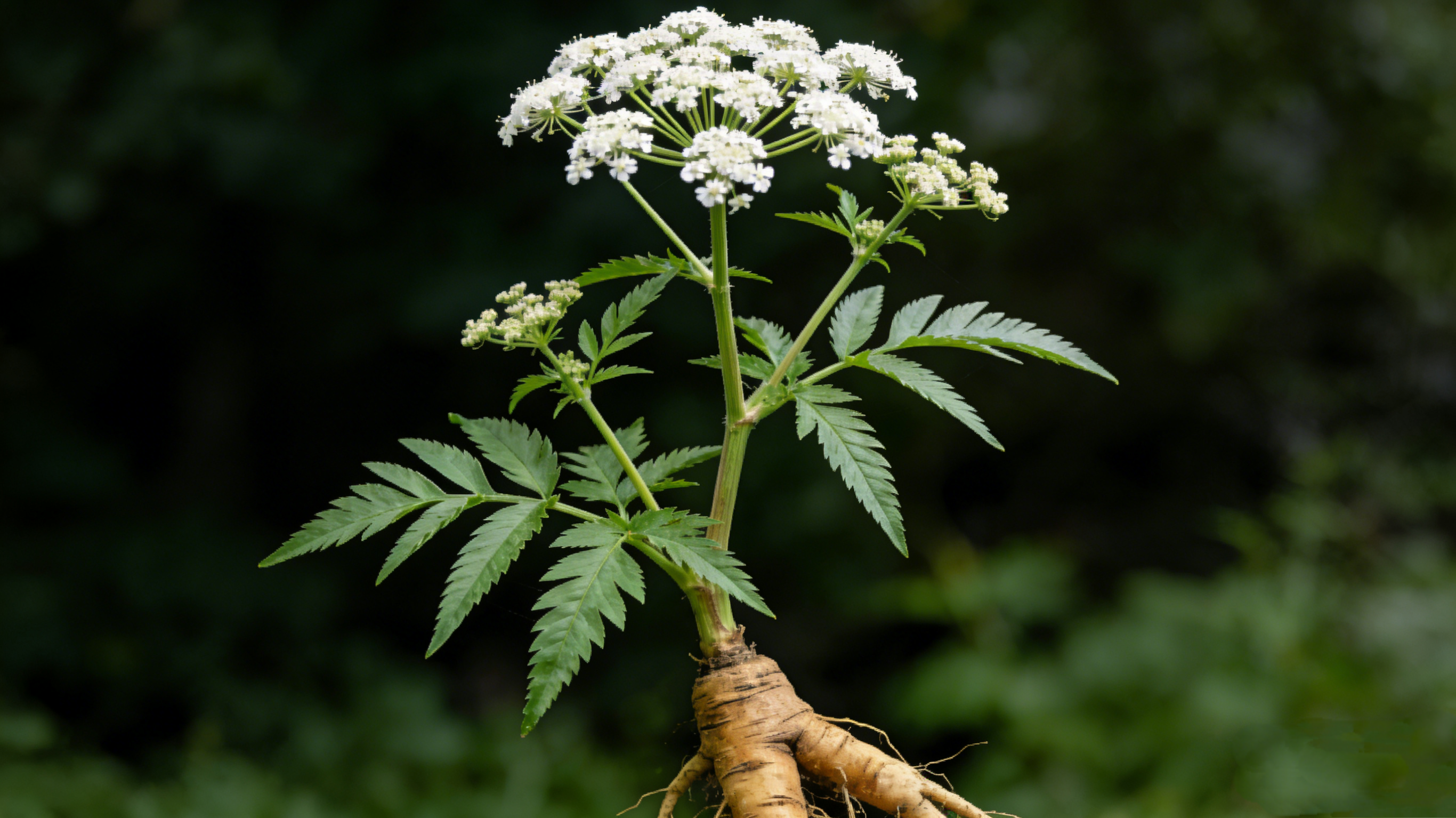
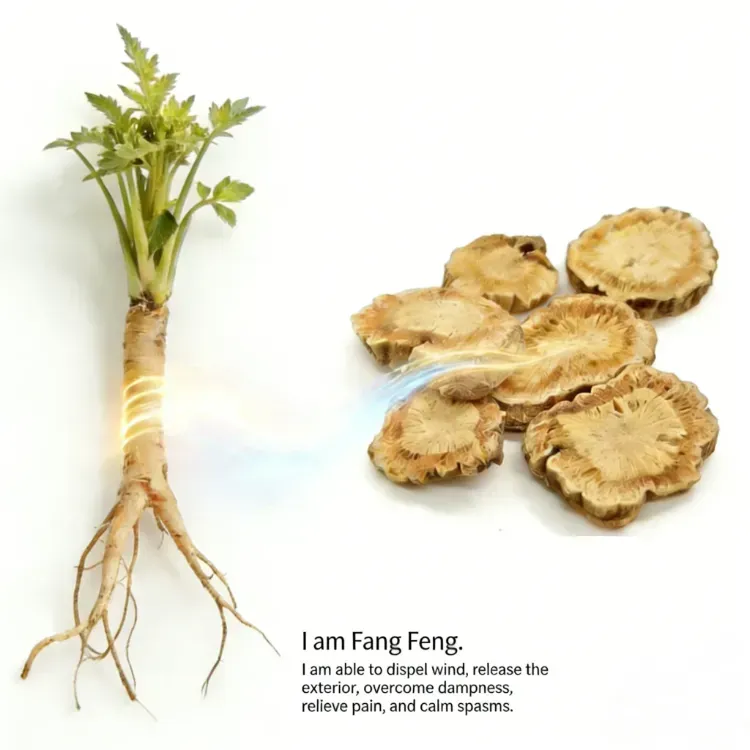
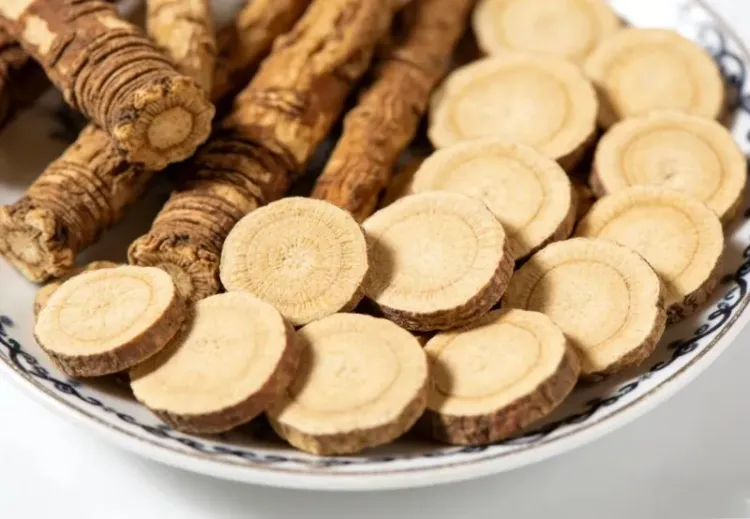
Siler, with the Latin name SAPOSHNIKOVIAE RADIX, is the dried root of the plant Saposhnikovia divaricata (Turcz.) Schischk., belonging to the Apiaceae family. Though seemingly ordinary, this rhizome is in fact a key herb in traditional Chinese medicine for dispelling wind, releasing the exterior, overcoming dampness, and relieving pain. It has long been praised as the "moistening agent among wind-dispelling herbs" and has been classified as a superior-grade medicinal since the Shennong Bencao Jing (Divine Farmer’s Materia Medica). The name (Fángfēng) directly reflects its core function—preventing the invasion of wind pathogens—vividly illustrating its therapeutic value as a first line of defense against external pathogenic factors. Its cross-section shows a chrysanthemum-like texture, the material is loose and brittle, and it has a distinctive odor, making it one of the most widely used wind-dispelling herbs in clinical practice.
View more introductions to Chinese medicinal herbs.
II. Authentic Production Area:
The grasslands and sandy plains in China's Heilongjiang, Jilin, Liaoning, Inner Mongolia, and other regions are the traditional authentic producing areas for Siler. Among these, Tailai in Heilongjiang, Taonan in Jilin, and Chifeng in Inner Mongolia are particularly renowned for producing the most authentic and high-quality Siler. Using authentic medicinal herbs from genuine producing areas in herbal bath tea bags also double the effects.The unique natural environment and scientific cultivation practices in these areas collectively shape its exceptional medicinal properties:

- Precise Adaptation to Geographic and Climatic Conditions: Siler is cold- and drought-tolerant and thrives in cool, dry climates. The authentic producing areas are mostly located in temperate semi-arid grasslands or sandy soil regions, with average annual temperatures of 3–6°C, annual precipitation of 300–500 mm, and abundant sunlight. This dry, loose, and well-aerated sandy loam environment is highly conducive to the deep vertical growth of the taproot, resulting in thick, elongated roots with a loose, porous texture and rich medicinal potency. Significant diurnal temperature variations further facilitate the accumulation of active components such as volatile oils and coumarins in the roots.
- Sandy Soil Ecological Cultivation System: The producing areas often adopt a "crop rotation and fallow" system, typically rotating with legumes and grasses to maintain soil fertility and reduce pests and diseases. Key cultivation techniques include: deep plowing of the soil in autumn (over 30 cm) to create a loose growing environment for the roots; early sowing in spring to take advantage of soil moisture during thawing; strict control of nitrogen fertilizers during the growth period while increasing phosphorus and potassium fertilizers to prevent excessive vegetative growth and promote root development; and scientific "intertillage and earthing up" to suppress weeds, retain soil moisture, and encourage the formation of the "earthworm head" – a distinguishing feature characterized by dense, ring-like markings at the root crown.

- The Secret to "Preserving Form" in Harvesting and Processing: Harvesting takes place after 2–3 years of cultivation, either in autumn or spring. Roots harvested in spring are known as "spring Siler," which has a looser and more porous texture, while those harvested in autumn are called "autumn Siler," which is firmer and denser. After harvesting, stems, leaves, and soil are removed, and the roots are processed using "shade-drying" or "low-temperature drying (≤50°C)" methods. Traditional methods emphasize avoiding direct sunlight exposure to prevent the roots from hardening and losing their aroma. Modern processing focuses on preserving the intact form of the "earthworm head" and "chrysanthemum heart" patterns while maintaining the loose, porous texture of the roots.
III. Quality
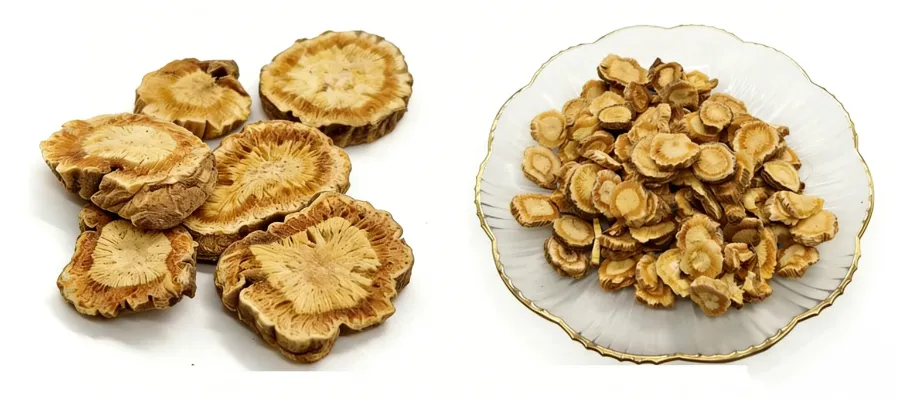
High-Quality Siler:The root is long-conical or cylindrical, gradually tapering toward the lower end. The root head exhibits distinct and dense transverse ring-like markings, commonly referred to as the "earthworm head." The surface is grayish-brown and rough, with longitudinal wrinkles and numerous transverse, elongated lenticel-like protrusions. The cross-section shows a pale brown bark with fissures, and a pale yellow wood. The cambium ring is darker in color, displaying distinct radial striations ("chrysanthemum heart"). The texture is loose and porous, easily broken, with an uneven and fissured cross-section. It has a distinctive, mildly aromatic odor and tastes slightly sweet and pungent. When slices or powder are soaked in hot water, the liquid turns pale yellow. The root strips absorb water and expand noticeably, becoming even softer in texture.
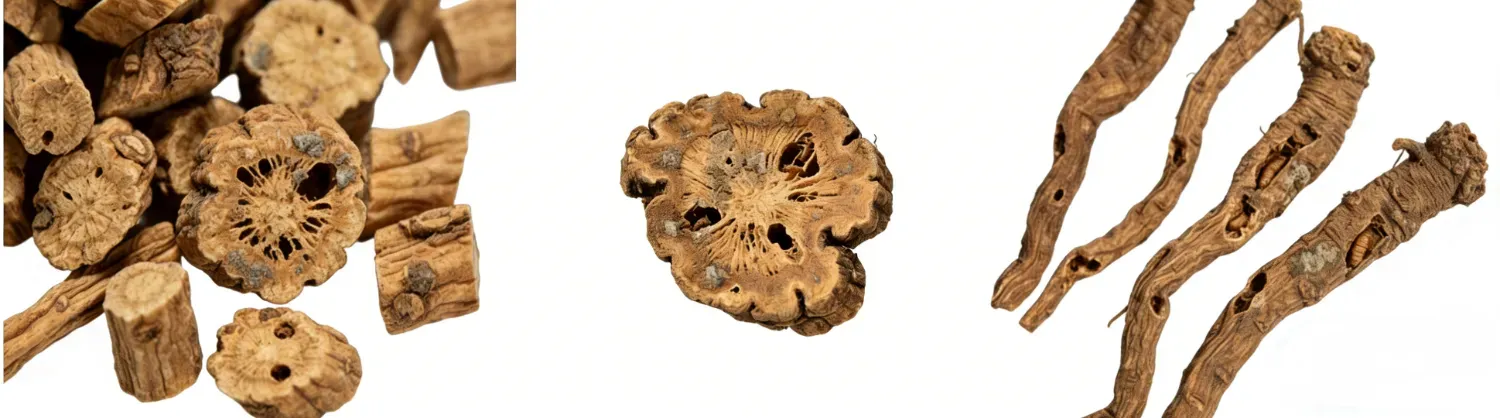
Ordinary/Inferior Siler:The roots are thin, underdeveloped, and often exhibit excessive branching. The "earthworm head" feature is indistinct or appears charred (due to improper drying). The surface coloration is irregular or unnatural. In cross-section, the woody portion is disproportionately large, radial striations are blurred or absent, and central hollowing may be present. The texture is either excessively hard or desiccated, making it difficult to break. The aroma is faint, or it may carry musty, sour odors (possibly due to sulfur fumigation), with a bland or bitter-astringent taste. When soaked in water, the liquid becomes turbid or excessively dark in color, the roots show minimal expansion, and significant amounts of sediment may disperse into the water.Our adaptergon bath tea bags will never contain any inferior raw materials.
IV. Main Chemical Components
- Chromone Compounds: These are characteristic active constituents closely related to its anti-inflammatory, analgesic, and antipyretic effects. They form part of the material basis for its therapeutic use in treating rheumatic and arthritic pain.
- Coumarins: Contribute partially to its aroma and possess anti-inflammatory, antispasmodic, and photosensitizing activities.
- Volatile Oils: Serve as the primary carriers for its acrid-dispersing and exterior-releasing properties, facilitating wind-dispelling and exterior-relieving effects. They also help promote cutaneous blood circulation.
- Polysaccharides: Likely associated with its immunomodulatory effects, assisting in reinforcing healthy qi and eliminating pathogenic factors.
Click here to see our adaptogen bath soak with Siler.
V. Core Efficacy
Siler is slightly warm in nature, with pungent and sweet flavors, and enters the bladder, liver, and spleen meridians. Its core functions are "dispelling wind and releasing the exterior, overcoming dampness to relieve pain, and calming spasms." Known for its moistening yet non-drying properties, its wind-dispelling action is gentle yet effective, earning it the reputation as the "moistening agent among wind-dispelling herbs." When used externally in "herbal bath sachets," its medicinal properties can gently penetrate through the skin and interstitial tissues, exerting a unique regulatory effect of "warding off wind from the exterior." Click here to learn how to enhance the experience and effectiveness of adaptogen bath?
Dispelling Wind and Releasing the Exterior, Preventing External Infections and Relieving Skin Itching:
Effective for both external wind-cold and wind-heat patterns, with symptoms such as headache, body aches, and aversion to wind. It is particularly adept at treating skin itching, rashes, and urticaria caused by wind pathogens lodging in the skin. Its volatile wind-dispelling components are fully released in hot water and absorbed transdermally, helping to soothe the skin, open the pores, and disperse wind pathogens lingering on the body's surface. For unexplained migratory itching of the skin, herbal bathing can directly target the affected area, achieving the effect of "wind dispelled, itching ceased."
Overcoming Dampness and Relieving Pain, Alleviating Rheumatic Pain:
Particularly effective for rheumatic pain, soreness in joints and muscles, especially when the pain is migratory (wandering arthralgia). The combined effect of the heat from the herbal bath and Siler’s dampness-dispelling properties promotes local blood and qi circulation, warms and unblocks the meridians, and expels wind-cold-damp pathogens attached to the bones, joints, and muscles. This effectively alleviates stiffness and soreness caused by wind-dampness, making it especially suitable for chronic joint discomfort aggravated by weather changes.
Dispelling Wind and Calming Spasms, Relieving Muscle Tension:
Capable of dispelling external wind and calming internal wind, it is used for convulsions and spasms such as tetanus and pediatric convulsive disorders. External application can also relieve muscle tension and cramps. For post-exercise muscle tightness or muscle stiffness caused by cold pathogens (such as "stiff neck"), Siler in a bath helps relax muscles and alleviate spasms. Its spasm-calming effect is gently achieved through transdermal absorption and the warming effects of the bath.